
Collaboration and Capital
Building Ecosystems for Social Impact
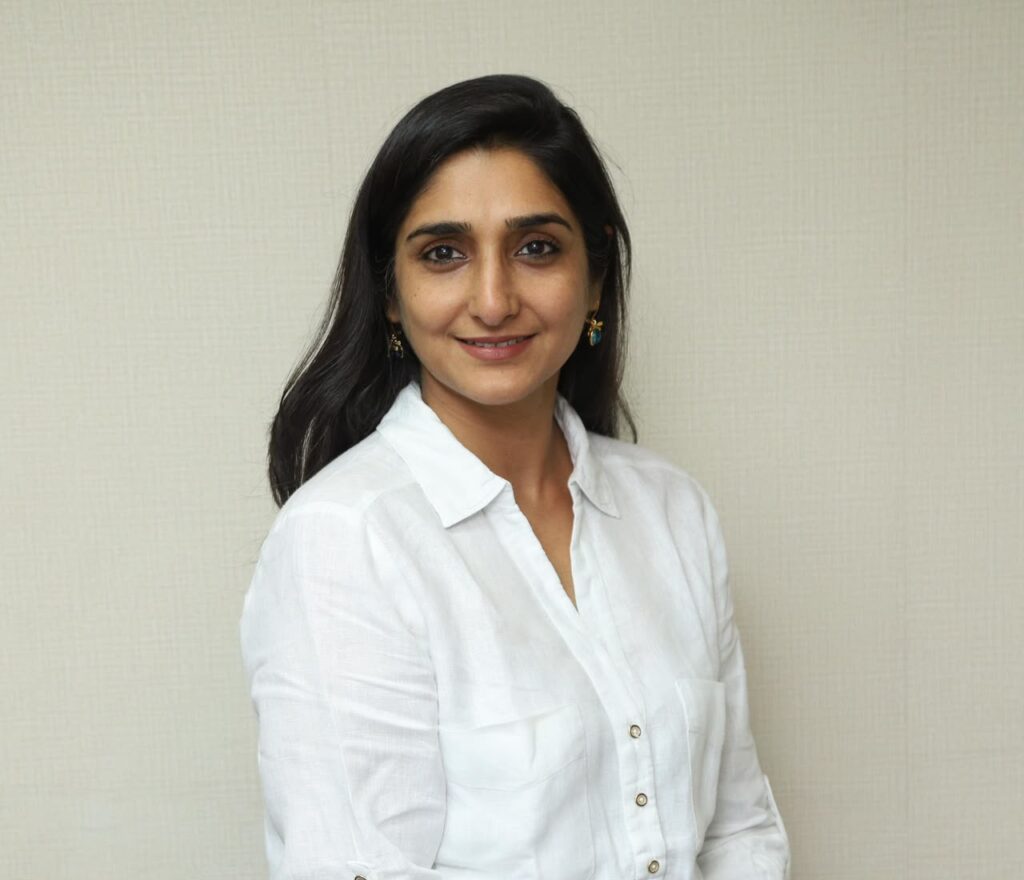
In this insightful conversation, Sheena Gandhi, Assistant Vice President, Social Stock Exchange (SSE), BSE, speaks about her journey from corporate communications to the social sector and the experiences that have shaped her belief in the power of collaboration. Drawing on her leadership at Sahayog, where she was a founder, and her current role at the SSE, Sheena explores how partnerships and innovative financing can strengthen India’s social impact ecosystem. She also demystifies the SSE, reflects on its evolving role in enabling nonprofit fundraising, and shares her vision for a more collaborative and inclusive future for social finance in India.
Q: Tell us about your transition into the social sector with Sahayog, and what inspired that shift?
Sheena: My transition into the social sector actually began before Sahayog. During my time at Weber Shandwick, I realised I wanted to move away from brand communications and work on something with greater social purpose. After discussing this with my CEO, I spent the following year consulting on social impact initiatives, including Manyata for Mothers, a maternal healthcare program led by MSD, a US pharmaceutical company. The role involved building partnerships, working with multiple stakeholders, and driving collaborations. was my first meaningful exposure to how the social sector works, and it reaffirmed that this was the path I wanted to pursue.
As the assignment was coming to an end, my father-in-law approached me with the idea of creating a foundation dedicated to fostering partnerships and collaboration. That conversation laid the foundation for Sahayog. Looking back, the transition feels like a natural progression. I grew up watching my mother deeply committed to social causes, so the inclination had always been there. I was simply looking for the right opportunity to pursue work that felt more meaningful.
Q: You joined The ILSS Leadership Program around the same time. How did it help you build and lead Sahayog?
Sheena: Yes, I joined The ILSS Leadership Program at a pivotal moment, just as we were setting up Sahayog, and the timing could not have been better. My father-in-law encouraged me to enrol to gain a deeper understanding of the sector. The program broadened my perspective, and its sessions on self-reflection helped me understand why I wanted to pursue this path. Learning from leaders in the sector, such as Dr Balu (NITI Aayog), Anshu Gupta (Goonj), Reshma Anand, and Anu Prasad (ILSS) herself, exposed me to different ways of thinking about leadership and social change. Equally valuable was the network of peers, many of whom were navigating similar transitions. Those relationships have stayed with me over the years.
The social sector comes with its own set of challenges, and none of the problems I have faced over the last eight years has had a simple solution or could be solved by one person or one organisation. That was the very premise on which Sahayog was built. ILSS reinforced that belief by showing me there was a support ecosystem I could always lean on. Even today, the ILSS network remains an invaluable source of guidance, support, and connections that continue to enrich my work.
Q: Looking back, what has building Sahayog taught you about leadership?
Sheena: Sahayog reinforced my belief that while collaboration is difficult, it’s essential. You have to avoid duplicating efforts, understand who has the trust of communities, and identify who brings the right expertise. There are no cookie-cutter solutions.
Ironically, COVID became a turning point because it showed what is possible when organisations come together with a shared purpose. That experience only strengthened my conviction that collaboration is fundamental to creating lasting impact.
Even at BSE, I constantly look for opportunities to partner with others because it is always more powerful when other people speak about the work we are doing. One of the biggest lessons of my career has been that you never leave your past experiences behind. Everything I have learnt in more than two decades in communications also continues to shape my work today.
One of the biggest lessons of my career has been that you never leave your past experiences behind. Everything I had learnt in more than two decades in communications also continues to shape my work today
Q: Today, your work at the Social Stock Exchange operates at the ecosystem level. How do you personally define the impact you are trying to create?
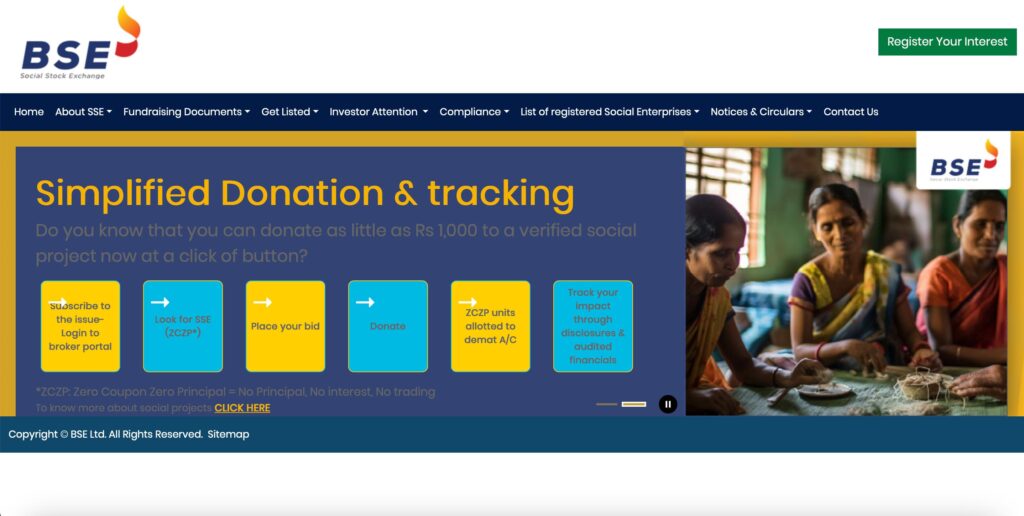
Sheena: To answer that, it’s useful to first understand the context in which the Social Stock Exchange (SSE) was created. The SSE emerged from a vision to bring the rigour, transparency, and credibility of India’s capital markets closer to the social sector and create new pathways for mobilising social capital at scale. It is still an evolving ecosystem, and as with any pioneering initiative, it will take time, learning, and collaboration to realise its full potential.
Social Stock Exchange
The Social Stock Exchange (SSE) segment on the BSE provides nonprofits and for-profit social enterprises with a unique opportunity to register and raise funds on a recognised exchange platform through innovative financial instruments. It encourages socially minded investors to diversify their portfolios, fostering a robust social securities market in the country. By connecting capital markets with inclusive growth objectives, the SSE aims to bridge the funding gap and bring social welfare goals closer to grassroots communities.
What excites me most about the SSE is its ability to strengthen trust and credibility in the nonprofit sector. Organisations with established governance and compliance frameworks are generally well-positioned to navigate the registration process. The real challenge is often building the institutional capacity and processes that enable long-term sustainability. In that sense, the SSE is not just a fundraising platform; it is also a catalyst for stronger governance and greater accountability.
Registration on the SSE enhances transparency and disclosure standards, which can help organisations build greater trust and confidence among donors and stakeholders and expand their reach to a much broader pool of contributors. More importantly, it creates an opportunity for nonprofits to build long-term relationships with supporters rather than view fundraising as a one-time transaction.
When it comes to impact, I believe meaningful change is built over time. At this stage, our focus is on creating the right ecosystem conditions, strengthening organisational readiness, improving transparency, and enabling access to capital. These are the foundational outcomes that, over time, can translate into larger and more sustainable social impact.
Personally, I see my role as helping bridge two worlds that have not traditionally worked together: the capital markets ecosystem and the social sector. If we can build that bridge successfully, we can unlock far greater resources, visibility, and opportunities for organisations working on India’s most pressing social challenges. Ultimately, that is the impact I hope to contribute to.
Q: The SSE ecosystem has gained momentum recently, with the MCA amendments making it easier for CSR funds to flow to SPOs through ZCZP instruments. What does this development mean for nonprofits?
Sheena: The MCA amendment is an important step forward for the SSE ecosystem, creating a clearer pathway for CSR funds to flow through Zero Coupon Zero Principal (ZCZP) instruments and potentially bringing additional capital to nonprofits.
What is particularly encouraging is the growing corporate interest. Many CSR teams are now exploring how the SSE can complement their existing giving programs. For nonprofits, the platform offers advantages such as enhanced credibility, standardised disclosures, and structured impact reporting.
That said, SSE should be viewed as an additional fundraising avenue rather than a replacement for existing funding sources. As the ecosystem matures, it has the potential to unlock greater participation from both institutional and individual contributors. Success, however, will require organisation-wide commitment, with leadership, governance, program, fundraising, and impact teams working together to leverage the opportunity effectively.
Q: What are some of the biggest misconceptions you have encountered among nonprofits, investors, or the public about the Social Stock Exchange?
Sheena: One of the biggest misconceptions is that SSE registration is highly complex and expensive. In reality, the process has become much more streamlined, and organisations can choose whether or not to engage external advisers based on their internal capabilities.

One of the biggest misconceptions is that SSE registration is highly complex and expensive. In reality, the process has become much more streamlined, and organisations can choose whether or not to engage external advisers based on their internal capabilities.
Another common misunderstanding is that the exchanges will raise funds on behalf of nonprofits. Our role is to provide a credible, transparent, and regulated platform that enables fundraising; nonprofits remain responsible for donor outreach and fundraising efforts.
On the investor side, the most frequent question is, “What’s in it for me?” As awareness grows and more investors become familiar with the ecosystem, there is potential for broader participation. The opportunity is significant, but building a vibrant SSE ecosystem will require time and effort from all stakeholders.
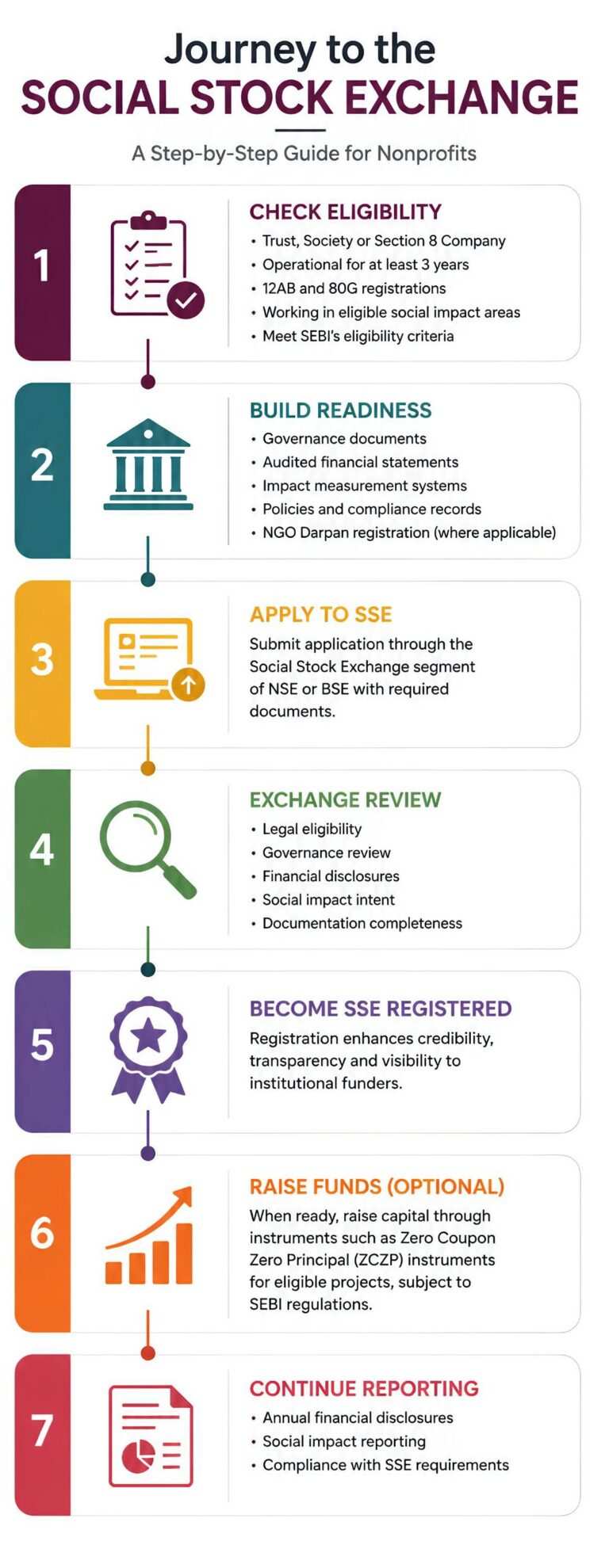
Q: For organisations considering the Social Stock Exchange, what does the registration process involve, and what should they know before getting started?
Sheena: The process begins with a simple expression of interest on the BSE SSE website. Organisations are then given access to the listing portal, where they can submit the required documents.
To be eligible, an organisation must work in one of the 16 focus areas, including the Schedule VII activities for CSR and demonstrate that it serves underserved communities. The documentation requirements are generally those that any well-governed nonprofit should already have in place, including registration documents, valid 12A and 80G certifications, CSR-1 (where applicable), a Darpan ID, and audited financial statements. Impact reports, while optional, can further strengthen credibility.
Once the documents are verified, the organisation pays a registration fee of ₹5,000 plus GST, valid for two years. Registration is the mandatory first step towards raising funds through the SSE, and depending on an organisation’s preparedness, the process can take anywhere from a few weeks to a few months.
To support organisations, BSE SSE conducts regular capacity-building sessions, peer-learning forums, and regular handholding calls to guide applicants through the process. Today, 100+ organisations are registered on the BSE SSE platform, with a growing pipeline progressing toward fundraising and listing.
Q: Where do you hope to see the SSE and the broader social finance ecosystem in India five years from now? What role do you see yourself playing in getting there?
Sheena: Over the next five years, I hope to see the SSE evolve into a mainstream social finance platform that mobilises capital at scale for India’s most pressing development challenges. The recent CSR amendments are an important milestone, but this is just the beginning. The focus now should be on building confidence, demonstrating successful outcomes, and expanding participation across the ecosystem.
I would like to see the SSE facilitate larger, collaborative initiatives that bring together governments, corporates, philanthropies, family offices, and nonprofits to address systemic challenges. Over time, the ecosystem should also broaden beyond ZCZP instruments to attract a wider range of social finance participants and funding mechanisms.
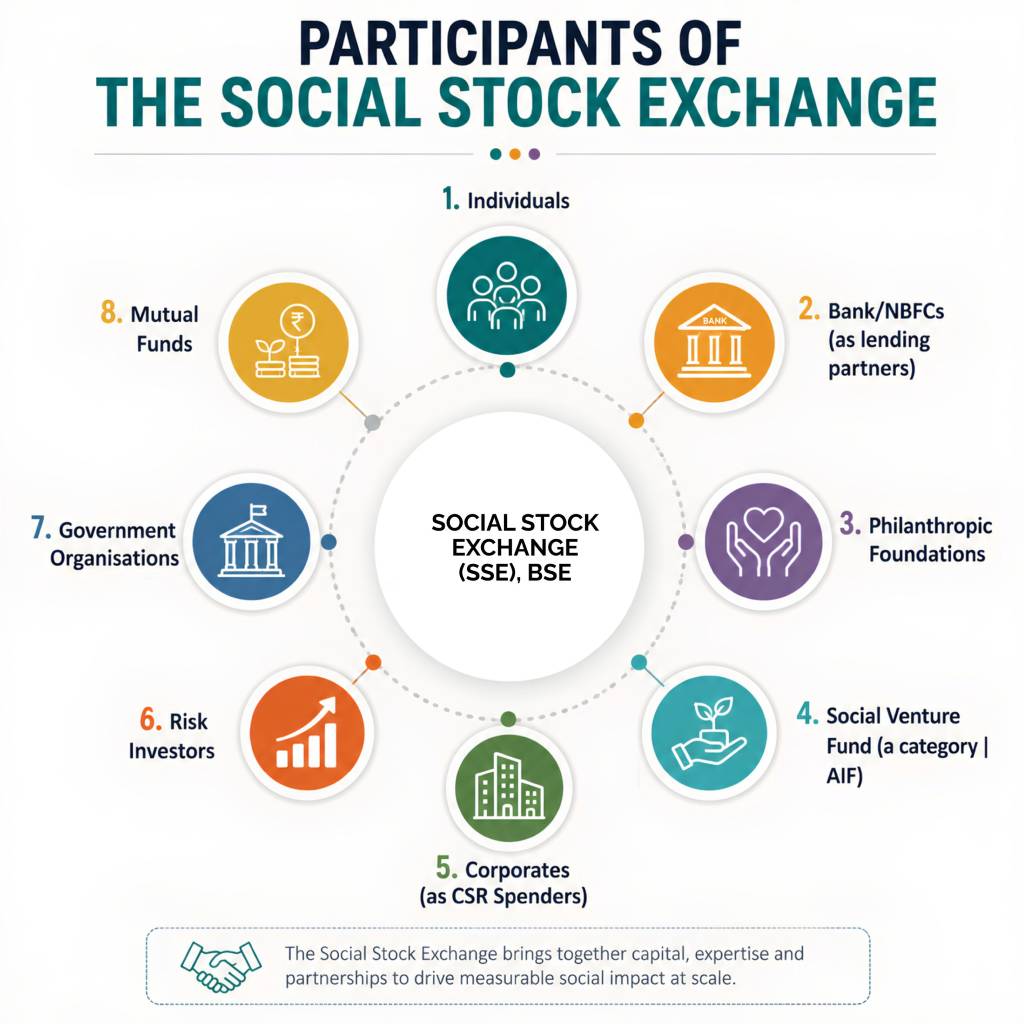
Equally important is ensuring that smaller nonprofits and grassroots organisations can access the platform and benefit from the growing pool of social capital. The opportunity is not just to fund individual projects, but to enable collective action around complex social issues.
Personally, I see my role as helping build the partnerships, platforms, and donor confidence needed to unlock this potential. Ultimately, the success of the SSE will be measured by its ability to connect capital with credible organisations and deliver meaningful, scalable social impact.
Copyright © 2026 India Leaders For Social Sector