January 2026 – Edition 05

Cataylsts of Change
Building Climate Impact Through Digital Transformation
Farmer For Forests
Restoring degraded land at scale is complex work. It involves farmers spread across geographies, ecosystems that change over time, and outcomes that must be measured with rigour. For Farmers For Forests (F4F), an organisation working at the intersection of agroforestry, livelihoods, and climate resilience, digital transformation became a critical enabler of both credibility and scale. The F4F case offers a grounded example of how technology, when thoughtfully applied, can strengthen environmental action without distancing organisations from the communities they serve.
The Organisation and Its Mission
Founded in December 2019, Farmers For Forests works with smallholder farmers to promote agroforestry as a pathway to restoring degraded land, enhancing biodiversity, and building climate-resilient livelihoods. Its work spans several regions in India, including Maharashtra, Gujarat, Karnataka, Jharkhand, and Chennai, and reaches tens of thousands of farmers.
At the heart of F4F’s approach is the belief that ecological restoration and farmer prosperity must go hand in hand. To make this viable at scale, the organisation recognised that strong data systems and reliable monitoring would be essential.
The Challenge: Monitoring at Scale
As F4F expanded its work, it encountered many challenges. Tree monitoring and landscape assessments were largely manual, time-consuming, and vulnerable to inconsistencies. Data lived in multiple spreadsheets and tools, making it difficult to build a consolidated picture of progress across projects. This fragmentation posed more than operational inconvenience. It limited F4F’s ability to demonstrate impact convincingly to funders, partners, and certification bodies, particularly in contexts such as carbon reporting, where accuracy and verification are non-negotiable.
A Phased Digital Solution
Rather than adopting a single, sweeping technology fix, F4F took a phased and pragmatic approach to digital transformation.
Rather than adopting a single, sweeping technology fix, F4F took a phased and pragmatic approach to digital transformation. The focus was clear: strengthen monitoring, centralise data, and build systems that could grow with the organisation.
The solution combined open-source tools, off-the-shelf platforms, and custom-built systems. Geographic Information System tools such as QGIS and Google Earth Engine were used for spatial mapping and analysis. Drone imagery, combined with artificial intelligence models including DeepForest and Detectron2, enabled automated tree detection with high levels of accuracy.
Field data collection was streamlined using KoBo Toolbox, while internal coordination and relationship management were supported through Zoho CRM and Google Workspace. These elements were brought together through a custom dashboard built on React, PHP, and MySQL, creating a centralised view of projects, landscapes, and outcomes.
What Changed on the Ground
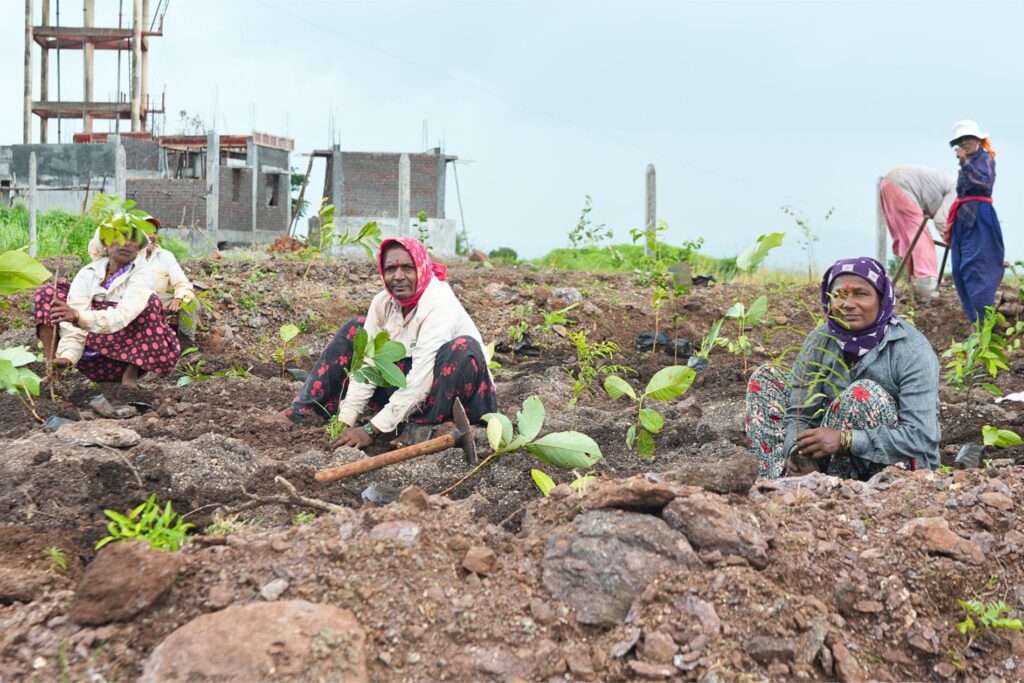
The results of this technological pivot were immediate and transformative. By replacing manual counts with AI-driven monitoring, F4F achieved a data accuracy rate of over 90%. Furthermore, the speed of monitoring increased tenfold, allowing the team to cover more ground with fewer resources. Centralised systems improved decision-making. Teams could access real-time information, reduce duplication, and respond more quickly to emerging issues.
This efficiency allowed the organisation to expand its footprint significantly. F4F successfully scaled to over 160 projects, serving 25,000 beneficiaries across five states. The robust digital infrastructure meant they could now provide the verifiable evidence required by rigorous carbon credit markets and institutional funders. What began as a logistical struggle transformed into a competitive advantage, positioning F4F as a leader in evidence-based climate action.
Technology as an Enabler, Not the Centrepiece
One of the most striking aspects of the F4F story is that technology is never treated as an end in itself. Digital tools are positioned as enablers that support farmers, field teams, and environmental outcomes, rather than replacing human judgement or local knowledge.
By investing in internal technical capacity and rolling out tools in stages, F4F ensured that systems were adopted meaningfully rather than imposed. This approach helped embed a culture of data integrity across the organisation.
Key Lessons
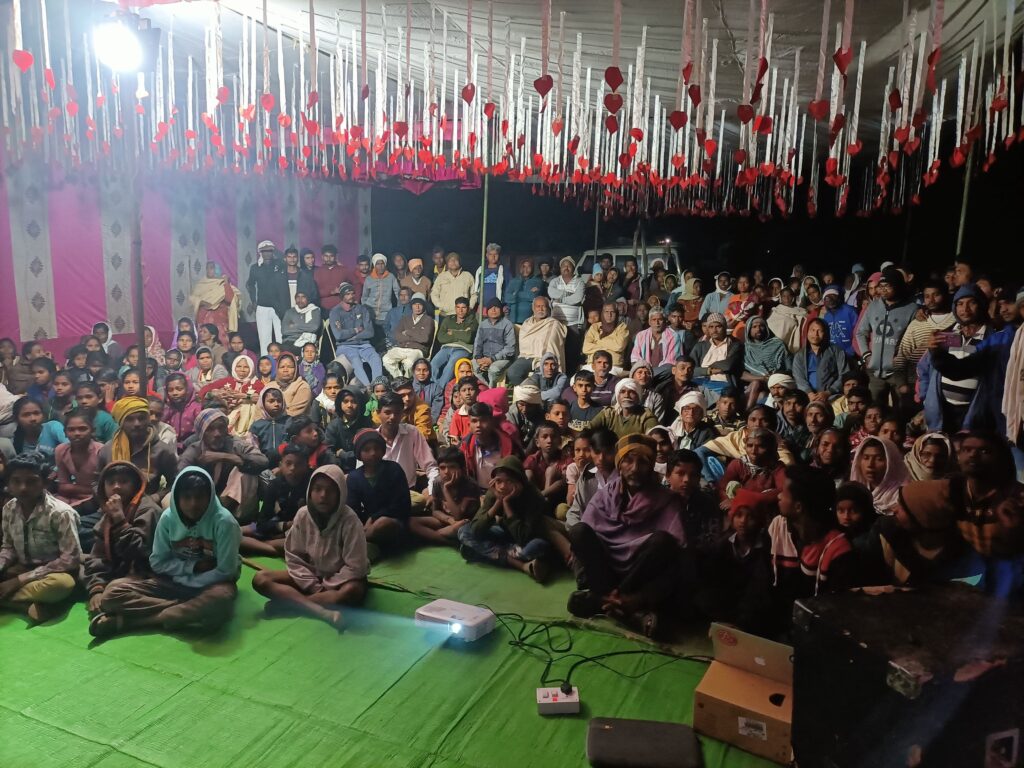
The Farmers For Forests case highlights several lessons relevant to organisations working in complex, field-driven contexts. Digital transformation is most effective when it addresses real bottlenecks, such as monitoring and data credibility. Building internal capacity and ownership matters as much as selecting the right tools. Finally, phased adoption allows systems to evolve alongside organisational growth, ensuring that technology strengthens impact rather than complicating it.

Copyright © 2026 India Leaders For Social Sector